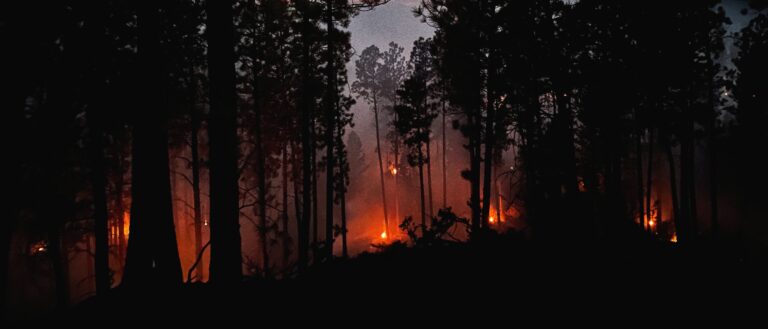
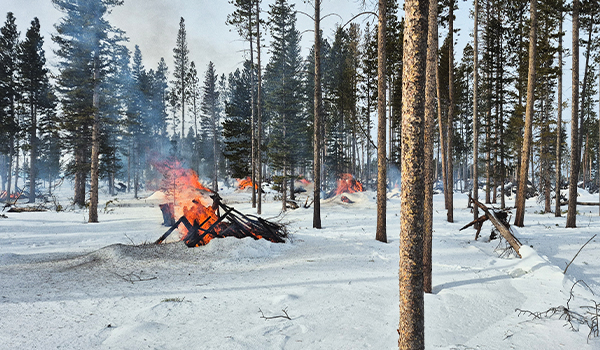
Fuels mitigation is a way of managing lands to reduce the threat of wildfire to an area, usually by reducing the amount of vegetation within a specific area. (We call this “implementing fuels treatments.”)
Through our Fuels Mitigation Program, we aim to manage and protect resources by implementing fuels management and using the Cohesive Strategy to develop fire-adapted communities, maintain resilient landscapes, and improve response to wildland fires.
As part of that goal, we also work to increase public awareness of the risks and dangers associated with wildland fires, and provide a foundation for increased efforts to protect against them.
Types of fuels treatments
The three main types of treatments are:
Defensible space treatments
These focus on managing vegetation and objects in the area around a structure to increase the chance of the structure surviving a wildfire, either with or without protection. While treatments vary, the area treated typically includes the structure and the landscape (at least 100’ out), with the goals of preventing direct flame contact and reducing radiant heat from impacting the structure.
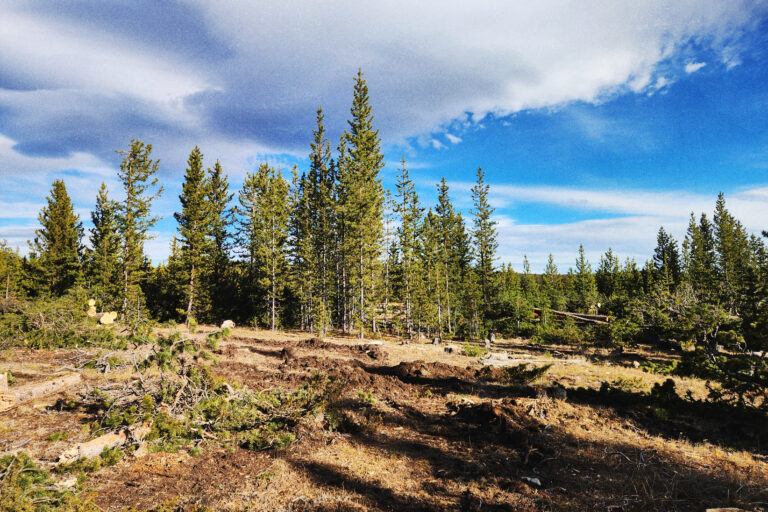
Fuels treatments
These reduce the amount of vegetation, both live and dead, to influence fire behavior, minimize the impacts of wildland fire, and aid in fire suppression efforts. Treatments include removing hazardous fuels (through either biological, chemical, and/or mechanical means), using fire to burn residual slash piles, or employing low-intensity prescribed burns.
Fuel breaks
Much like fuels treatments, fuel breaks—strips of land with reduced amounts of vegetation—work to slow or even stop the spread of fire. They’re placed in strategic locations, such as ridge tops, property boundaries or access roads.
Benefits of fuels mitigation
By creating safer environments, fuels mitigation can contribute to:
If you’re interested in assessing the current status of the fuels on your property and what you can do to implement fuels mitigation, please contact the District Forester in your area.
Know your wildfire risk
As more people move outside of cities to enjoy the quiet and scenic areas of the wildlands, the amount of Wildland Urban Interface (WUI) area—where human development meets and intertwines with the natural terrain and vegetation of undeveloped lands—increases.
With that comes the increased risk and threat of wildland fire to the public and their communities.
If you or anyone you know lives in a WUI, it’s a good idea to understand the risks associated with these areas. To learn more, visit the Wyoming Wildfire Risk Assessment Portal.